
Uccelletti: My Grandmother’s Veal Stew
Updated: Jan 28
My grandmother was from a small village near Bardi, with my grandfather from Bedonia, and this was one of her true "roots" dishes. She called it uccelletti. The word literally means little birds, a reminder of an older rural language where names stuck even as the food changed. In home cooking, uccelletti can become shorthand for a rustic meat dish that has nothing to do with birds at all, just small pieces of meat cooked gently until tender.

Jump to Recipe. Jump to Featured Wine.
This version was veal, and it was one of my dad’s favorite meals, but we did not have it often because veal is expensive. When I started writing this recipe, I asked a few of my cousins about it and none of them remembered her making it. I have a feeling it showed up later, after most of the kids had left home, when she could afford to buy veal once in a while and not for so many mouths.
A pot of veal simmered in a tomato base with garlic and onion, steady and simple, the kind of meal that does not try to impress anyone. It just feeds people. Served over polenta, the sauce had somewhere to go, and the whole bowl ate like comfort, tender meat, softened aromatics, and that quiet sweetness that only comes from time. This is the kind of dish that lives in memory because it was made with patience, and because someone you loved loved it back.
Uccelletti w/Polenta
(serves 6)
Stew:
3 lbs. veal stew meat (you can substitute pork or rabbit)
1 large white onion, chopped
1 good size carrot, chopped
1 large celery stalk, chopped
4 cloves garlic, minced
1 cup dry white wine
1 (28 oz.) can San Marzano tomatoes
2 Tbs. chopped fresh parsley
2 bay leaves
salt & pepper, q.b.
Polenta:
2 cups polenta
2 tsp. salt
7 cups water
3 Tbs. butter
70 g. Parmigiano Reggiano (2.5 oz.)
Make the Stew:
Pat the veal dry, then salt it. Let it sit for about 30 minutes.
Heat a little oil in a heavy pot. Sauté the veal in batches until lightly browned. Do not crowd the pot. Transfer the veal to a plate.
In same pot, add carrot, celery, onion, and garlic. Sauté 5 to 10 minutes, until softened and fragrant.
Add the veal back in, along with the rest of your ingredients. Season with salt and pepper.
Bring the pot to a boil, then immediately reduce to a gentle simmer. Simmer for about 1 1/2 hours, until the veal is tender and the sauce tastes cohesive.
Taste and adjust salt and pepper again at the end if needed.
Make the Polenta
Bring the water and salt to a boil.
Lower heat to a steady simmer. Slowly whisk in the polenta.
Switch to a wooden spoon. Cook at a gentle bubble, stirring often:
35 to 45 minutes for most coarse polenta
25 to 35 minutes if it’s finer grind
If it thickens too fast, add hot water a splash at a time.
Finish off heat by stirring in the butter. Then stir in the Parmigiano Reggiano cheese.
Serving tip
Serve immediately. Polenta firms up fast. If it sits, loosen with a splash of hot water and stir hard.
Featured Wine
Usselletti over polenta wants a red that can handle tomato without turning heavy, and can stay gentle with veal while still bringing lift to the bowl. Tenuta Santa Caterina Arlandino Grignolino d’Asti DOC is the match. It keeps the tomato tasting bright and clean, gives the veal definition without sharpening the sauce, and brings a quiet savory, peppery edge that feels right alongside garlic and onion. It tastes like it belongs there, not like it is trying to steal the scene.
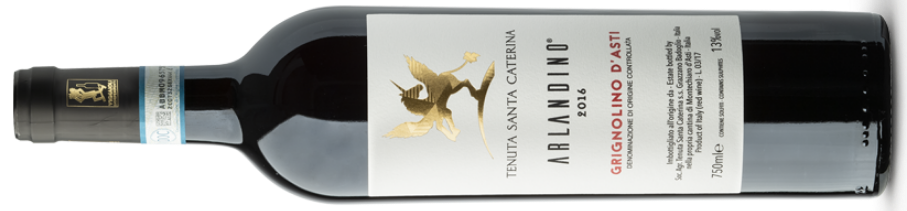
Grignolino is a native Piedmont grape from the Monferrato hills. It is known for its pale color and its surprising structure, thanks in part to how many seeds the grape carries. The name is linked to the local dialect word grignole, meaning many pips. In the glass it drinks dry and light bodied, with crunchy red fruit, brisk acidity, and a gentle herbal spice note that leans more mountain than plush.
Tenuta Santa Caterina is a historic estate in Monferrato, first recorded as an agricultural farm in 1737, then carefully brought back to life in the early 2000s by Guido Carlo Alleva with restoration handled by local craftspeople. Arlandino nods to an old local name for Grignolino, which feels exactly right for a Roots dish that began as a family word passed from one kitchen to the next.
Serve it slightly cool and it will drink the way this dish eats, comforting, bright, and quietly addictive.
If you can not find Grignolino, try a Barbera, Schiava, cool climate Pinot Noir, or Gamay.
Jump back to recipe.


Comments